Air travel does subtle things to the body. The cabin air is dry enough to wilt herbs in minutes, the timing of meals and light cues scrambles circadian rhythms, and a parade of strangers shares your airspace and armrests. Most people tough it out with coffee, water, and a nap. A growing number, especially frequent flyers, lean on intravenous therapy to shorten the dip on arrival. When done appropriately, iv infusion therapy can help with hydration, fatigue, and recovery. When done casually or without screening, it can waste money or create avoidable risk.
I have sat in enough clinics and hotel suites to see the best and worst of iv drip services. The promising use cases are concrete: rehydration after long-haul flights, targeted symptom support for migraines triggered by travel, and select vitamin supplementation in people with deficiencies. The questionable claims tend to orbit miracles and detox. Travel is about trade-offs, and the same applies to iv hydration therapy. The details matter: what’s in the bag, who is placing the line, and whether the therapy fits your actual physiology.
What travel does to hydration and energy
A typical international flight exposes you to relative humidity around 10 to 20 percent, far below the 40 to 60 percent most people find comfortable. You exhale and evaporate more water than usual. Add a couple of alcoholic drinks and a diuretic coffee or two, and you can land two to three pounds lighter, much of it water. You notice it in sluggish thinking, dry mouth, and a headache that isn’t quite a migraine but taints your first meeting.
Jet lag layers on misaligned melatonin secretion, cortisol peaks at the wrong clock time, and disrupted gut motility. Even mild dehydration can amplify these symptoms, so travelers often conflate jet lag and fluid deficit. They overlap, but they’re not the same. Rehydration improves the haze and the headache. It does not flip your circadian clock.
Where iv hydration therapy fits
Intravenous hydration delivers fluid directly into the bloodstream. Compared with oral hydration, it bypasses the gastrointestinal tract and first-pass absorption limits. If you are nauseated, significantly dehydrated, or fighting a refractory headache, the intravenous route can work faster and more predictably. The benefit gap narrows when you can drink and absorb fluid well. A liter of oral rehydration solution over two hours often outperforms a liter of plain water and narrows the difference with a hydration drip.
For frequent travelers, the appeal of an iv drip is speed and certainty. You sit for 30 to 60 minutes, receive a measured dose of fluids and electrolytes, sometimes a vitamin infusion, and walk out sharper. That fits a schedule with a client dinner at 7 and a briefing at 8 the next morning. The key is matching the therapy to the problem. If your issue is sleep displacement, consider light timing and melatonin on the correct schedule. If your issue is a throbbing, dehydrated headache, an iv infusion can help within the hour.
What’s in a traveler’s iv drip
Not all bags are created equal, and the menu names don’t always clarify the formula. In most iv wellness therapy menus, you will see several categories:
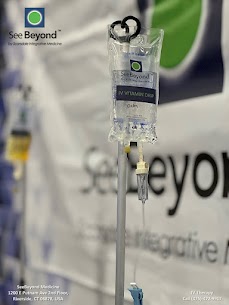
- Hydration iv drip, often normal saline or lactated Ringer’s solution, sometimes with added electrolytes such as magnesium or potassium in modest doses. Vitamin iv therapy or a wellness iv drip, typically a blend of B vitamins, vitamin C, and minerals. The classic Myers cocktail iv includes magnesium, calcium, thiamine, riboflavin, niacinamide, pyridoxine, dexpanthenol, and vitamin C. Modern variations tweak the ratios and add optional glutathione iv therapy as a slow push. Energy iv therapy blends centered on B12 iv drip and B complex, sometimes with carnitine or amino acids for performance iv drip packages. Immunity iv drip or immunity iv infusion, usually high vitamin C with zinc, sometimes a higher dose of B vitamins. Some clinics label this as immune boost iv therapy. Migraine iv therapy and headache iv drip formulas, where magnesium, fluids, and sometimes anti-nausea medication are used. Prescription agents such as ketorolac or metoclopramide are within the scope of medical iv therapy but should be given by an iv therapy specialist with the same caution as in urgent care.
Mobile iv therapy has made these options accessible in hotels and short-term rentals. A well-run concierge iv therapy service brings a registered nurse, sterile supplies, and a properly stored iv vitamin infusion. A poorly run service shows up with lukewarm bags and loose paperwork. If you’re searching “iv therapy near me” upon landing, vetting quickly becomes a skill.
The evidence and the edges
Let’s ground expectations. Intravenous hydration corrects measurable dehydration faster than oral fluids. That is uncontroversial. The gray zone lies with intravenous vitamin therapy. People with diagnosed deficiencies, such as low B12 or low vitamin D, benefit from correction. Vitamin C iv therapy can help in specific clinical scenarios, but evidence for general cold prevention in healthy travelers is mixed. Zinc has some support for shortening colds when started early, yet high doses cause nausea and can interact with medications. The broader claim that a vitamin drip prevents all travel bugs overreaches.
For jet lag, the primary lever remains light and sleep timing. An iv vitamin drip cannot reset the suprachiasmatic nucleus. It can make you feel better while you do the other work: morning light at your destination time zone, caffeine timed to early day, melatonin in small doses at local bedtime for eastward travel. Energy boost iv drip formulas can lift perceived alertness, largely because hydration improves perfusion and B vitamins support energy metabolism in people on the edge of deficiency. In well-nourished adults, the lift is usually modest and short.
Migraine is a more concrete target. Many travelers live with flight-triggered migraines owing to dehydration, barometric pressure shifts, and irregular sleep. In clinic, an iv infusion with fluids and magnesium has helped patients abort or shorten attacks. Not every headache is a migraine, and not every migraine responds. Still, if you know your pattern and carry a diagnosis, having access to a migraine-focused iv infusion treatment can be the difference between a lost day and a late start.
Safety, staffing, and dosing that make or break the experience
An iv therapy session looks deceptively simple. Hang a bag, start a drip, watch a show on your phone. The safest providers standardize a few things.
They screen for contraindications: heart failure, severe kidney disease, uncontrolled hypertension, pregnancy, G6PD deficiency if considering high-dose vitamin C, and allergies to additives. They take vital signs and a brief history. They confirm medication interactions, particularly if anti-nausea or pain medications are part of the plan. They adjust volume if you are petite or have borderline cardiac function. One liter of normal saline at a brisk rate is fine for most healthy adults, but not all.
They place the line with clean technique, secure it well, and monitor. In certified iv therapy clinics, infiltration is rare and managed immediately. In hotel rooms, you need the same standard. Ask about licensure, malpractice coverage, and emergency protocols. A reputable iv therapy provider will answer without defensiveness and carries supplies to handle a vasovagal episode.
They mix only what belongs. Vitamin infusions should be prepared from sterile, reputable sources, not compounded ad hoc with questionable storage. If a nurse cannot tell you the magnesium dose or the exact contents of a Myers cocktail therapy bag, step back. Precision protects you.
What jet lag actually needs
Crossing more than three time zones pushes your sleep-wake cycle out of phase with local time. Eastbound flights require advancing the clock, westbound delaying it. The tools that work remain simple: light, timing, and smart stimulants or sedatives used sparingly.
A hydration iv drip can reduce the achiness and cognitive fog, which helps you get outside at the right time to anchor the new schedule. Combine this with morning sunlight exposure for eastbound travel and evening light for westbound. Reserve melatonin doses in the 0.5 to 3 mg range for local bedtime during the first few nights, and avoid heavy doses that leave you groggy. Caffeine helps the early local morning, not after lunch. The interplay is practical: if a vitamin iv services menu promises circadian realignment, look for the fine print or look elsewhere.
Choosing between oral and intravenous hydration
You can reverse mild to moderate dehydration with oral rehydration solution at roughly 500 to 1,000 mL per hour over a couple of hours, accompanied by light food. For many travelers, that is sufficient. Intravenous hydration delivers the iv therapy Riverside seebeyondmedicine.com same volume in a single sitting and often relieves symptoms faster. The price difference is real. An iv therapy cost for a basic hydration bag ranges from the low hundreds to several hundred dollars in major cities, with add-ons for vitamins, glutathione, or medications. Some iv therapy packages bundle pre-flight and post-flight sessions with a discount. None of this is typically covered by insurance unless the therapy is part of a documented medical visit for a specific condition.
If you are the person who repeatedly lands with pounding headaches and nausea, the value proposition changes. The avoided lost billable hours can outweigh the iv therapy price. If you rarely have trouble, pack electrolyte packets and save the iv therapy appointment for a bad bout.
Inside a session, start to finish
A good iv therapy clinic or concierge service runs on time and transparency. You complete a health questionnaire and talk through your travel pattern. The provider checks blood pressure, heart rate, and a quick review of systems. A needle catheter is placed in a forearm or hand vein. The bag starts at a rate that fits your comfort and any cardiovascular considerations. If magnesium is included, you may feel warmth or a flush. If vitamin C is high dose, you may notice a metallic taste. These are common, not alarming, but should be discussed up front.
During the iv infusion, you should be comfortable, able to text or work, and free from pain at the site. The nurse checks periodically. On completion, the catheter is removed with pressure and a small bandage. Post-infusion, you feel the difference in 15 to 60 minutes if dehydration was a driver. Energy changes from B12 or a Myers cocktail iv, if they occur, tend to show later the same day or the next. Avoid strenuous exercise for an hour, hydrate orally, and keep alcohol minimal that evening.
Add-ons: what helps and what to skip
Glutathione iv therapy appears on many menus as a skin and detox enhancer. In the realm of travel recovery, it is optional. Some clients report a subjective brightness, others nothing. It is generally safe in standard doses but should be administered slowly as an iv glutathione drip, not pushed fast. For immunity claims, the data remains thin. If budget or time is tight, prioritize fluids, magnesium for headache-prone travelers, and moderate vitamin C. Zinc is a maybe, but it can upset empty stomachs.
Detox iv therapy and iv detox drip pitches often conflate hydration with toxin removal. Your liver and kidneys do that work continuously. Hydration supports them, it does not override biology. Beauty iv therapy and anti aging iv therapy promise glow and collagen support. Hyaluronic acid-rich skin looks better when you are hydrated, so again, cause and effect can blur. The glow is mostly fluid status and maybe improved sleep.
Athletes and business travelers with training schedules
If you run a tempo session the day after arrival, consider recovery iv therapy that includes balanced electrolytes and magnesium. Athletic iv therapy often adds amino acids and carnitine. The performance iv drip concept is reasonable when the trip schedule sandpapers your routine, but remember that the biggest performance levers on the road are sleep, nutrition, and training intensity adjustment for a day or two. An iv can support, it cannot replace those fundamentals.
When mobile iv therapy makes sense
Hotel meeting blocks rarely leave time to find and commute to an iv therapy clinic across town. In-home iv therapy or on demand iv therapy can solve that constraint. Look for services with medical oversight, not just a dispatcher. Ask how they handle adverse reactions and whether they carry emergency supplies. Check that bags are stored within labeled temperature ranges. A good concierge team will volunteer those details.
If you prefer brick and mortar, search for an iv therapy wellness clinic with clear protocols and an iv therapy nurse who does more than just stick lines. A short consult helps tailor the drip: someone with borderline low blood pressure and poor oral intake needs a different approach than a person who overdid the airport lounge.

Costs, value, and packages without fluff
Pricing varies by region. As a ballpark, basic iv fluids therapy runs 120 to 300 USD. Add B complex and vitamin C, and you may see 180 to 400. Include medications for migraine or nausea, and the bill can exceed 500. Memberships and iv therapy deals knock off 10 to 20 percent but sometimes tie you to bundles you won’t use. If you fly monthly and consistently benefit, a package can make sense. If your travel is sporadic, book à la carte. A clear iv drip menu with line-item prices signals a transparent operation.
Who should avoid or modify iv therapy
People with heart failure, advanced kidney disease, or significant electrolyte disorders should not receive routine high-volume infusions without physician oversight. Pregnant travelers need obstetric input for anything beyond basic hydration. Those with a history of syncope during phlebotomy should mention it and ideally receive the infusion reclining. If you take anticoagulants, expect a firm pressure hold after removal to prevent bruising. If you have G6PD deficiency, avoid very high dose vitamin C. If you have a history of migraines triggered by bright lights and odors, ask for a quiet room to reduce triggers during your session.
Practical, minimal tools you can combine with iv therapy
Travel recovery rewards consistency. Even if you book an iv boost therapy after landing, the basics stack up.
- Hydrate on the plane with electrolyte packets mixed in water, one packet every 3 to 4 hours on long-haul flights. Time light exposure using your destination clock, and wear an eye mask to enforce darkness during sleep windows. Keep alcohol to one drink or none on long flights, and avoid it the night you land if sleep is fragile. Use 0.5 to 3 mg melatonin on local bedtime for eastbound trips, and avoid late-afternoon caffeine after arrival. Pack a migraine plan if you are prone: your usual abortive medication, magnesium glycinate orally, and a pre-booked iv therapy appointment if past trips have derailed you.
A note on quality control and regulation
Regulations around iv nutrient therapy differ by state and country. Some regions require a medical director and standardized protocols. Others are looser. Quality varies accordingly. Look for iv therapy services that reference United States Pharmacopeia standards for compounding and storage, use single-dose vials when possible, and track lot numbers. Ask about infection control. An iv line is a direct path to the bloodstream. Clean technique is non-negotiable.
Realistic outcomes for common traveler profiles
The red-eye executive with two hours of fragmented sleep and a client presentation by noon benefits from lactated Ringer’s or normal saline, a modest dose of B vitamins, and a calm hour off the grid. The outcome is less a superhuman surge, more a removal of the fog so you can deliver.
The triathlete landing ahead of a site visit and a planned easy run that evening uses an iv hydration infusion with electrolytes and 1 to 2 grams of magnesium if prone to calf cramps, plus oral carbs and early bedtime. The result is a smoother first workout and fewer night cramps.

The parent traveling with two kids who picks up a head cold on day two will get more from sleep and fluids than from an immunity boost iv therapy alone. If a clinic is nearby and a liter of fluids helps them keep up with the family, the iv is a convenience, not a cure.
The migraineur who always triggers after flights and has failed oral hydration multiple times often sees a meaningful difference from a headache iv drip. They plan the session on arrival and shave a day of pain to a few hours.
Booking, timing, and how to avoid the rush
If you know you’ll need it, make an iv therapy booking before you board. Early morning arrivals pair well with a midmorning appointment. Evening landings pair better with a morning session the next day, so you do not trade sleep for a drip. Mobile services usually offer iv therapy same day, but peak hours fill. If an emergency hydration need arises, some teams can deliver iv therapy emergency hydration within an hour in major cities. Expect a surcharge.
Booking platforms often ask you to choose from an iv therapy menu. If you are unsure, choose hydration and request a brief consult to tailor add-ons. An honest clinic will not oversell. They will ask a few questions and build a reasonable plan.
The bottom line for travelers
Intravenous therapy is a tool, not a lifestyle. Use it when it solves a real problem: dehydration you cannot or do not want to correct orally, a travel-triggered migraine, or a tight schedule where feeling 15 to 30 percent better by afternoon changes the day. Prefer providers who treat iv therapy as medical care, not a fragrance line. Learn your patterns, and spend where it moves the needle.
If you rely on one rule, make it this: fix the fundamentals, then layer the drip. Nighttime darkness, morning light, steady electrolytes, smart caffeine, and reasonable expectations turn an iv infusion from a flashy add-on into a practical part of your travel routine.